


latest News

Best Shoes for Bartenders? Why You Should Try Barefoot Shoes
Working as a bartender puts you in the spotlight. Few other jobs let you blend socializing with maximizing your income the way bartending does. Whether you’re mixing signature drinks or chatting with the regulars, your primary job is taking care of others – and that starts with taking care of yourself. Working behind the bar requires you to spend long hours on your feet. You never know when you might need to pivot to reach a glass or rush across a wet floor to clean up a mess. You need to be on top of your game, and that means feeling your best. The shoes you wear while working can mean the difference between ending your shift with a smile on your face or wanting nothing more than to get off your feet. Is it time to re-evaluate your footwear? Keep reading to learn about the best shoes for bartending… shoes that will keep your feet in top shape. You might be surprised to discover that barefoot shoes may be your best choice. Which Shoes Work Best for Bartenders? Bartenders need comfortable shoes that allow them to move freely without worrying about slips and sore feet at the end of the night. As you may already know, bartenders often deal with foot discomfort and afflictions that can make it hard to flash your smile at a row full of customers. To maintain your feel-good personality in any bar or restaurant service job, you need shoes that provide all-day (or night) comfort. While it may seem like a tall order, the best shoes for bartenders have these essential qualities: Provide a high level of traction and stability Are lightweight and breathable, yet protect your feet from spills Allow for maximum movement and mobility Built with a zero-drop heel that encourages good posture Are stylish and match your aesthetic The best bartending shoes have these features, and barefoot shoes check all of these boxes. Why Are Barefoot Shoes Better than Normal Shoes? You know that you’ve found good shoes for bartending when you forget that you’re wearing them… even at the end of a long shift. Whether you’re running errands during the day or working behind the bar at night, barefoot shoes will meet your comfort, style, and performance needs. But what exactly are barefoot shoes? Barefoot shoes, also known as minimalist shoes, mimic the experience of walking barefoot while still providing some protection, letting your feet do what's natural — bend, flex, move, and FEEL the world. Here are a few ways barefoot shoes are different from conventional shoes, and how they can help bartenders move and feel better. Zero Drop One of the biggest differences between barefoot shoes and “normal” shoes is that barefoot shoes are made with a low-to-the-ground design that lets your feet get feedback from the surfaces you’re walking on. That feedback is what lets you make the automatic adjustments needed to stay surefooted and well-balanced. Barefoot shoes are “zero drop” meaning the heel of the shoes is level to the midfoot. The zero drop design allows the entire foot to lay flat on the ground beneath you, which in turn allows you to enjoy your natural, proper posture. Wider Toe Box Barefoot shoes also have a wider toe box that allows your feet to have room to rest comfortably as you stand on your feet for hours. Shoes that have a wider toe box also prevent pinching as you stand on tiptoes to reach glassware or spin around to greet a new customer. No Excessive Padding Conventional shoes often have thick soles and excessive padding that don’t allow your feet to engage in natural movement – it’s like wearing a cast on your foot, restricting your foot’s range of motion, reducing joint mobility, and causing the muscles to weaken over time. Barefoot shoes don’t provide any external arch support – it may seem counterintuitive, but that feature is what allows bartenders to build foot strength just by moving around during their shift. Closing Out: Barefoot Shoes for Bartenders Bartenders need shoes that will help them get through long shifts that require them to be constantly on their feet and moving around. With barefoot shoes, you may experience more comfort and energy, which will let you better do the job of helping everyone you serve to have an enjoyable night. Thousands of men and women have made the switch to wearing barefoot shoes. Some of the bartenders who love wearing their Xero Shoes share their thoughts: “I love the Kona shoe. I don't like to wear socks so I was looking for an easy slip-on slip off situation and these are super comfortable without socks. I wear them at my bartending job and my feet don't hurt after a full shift. They run true to size lengthwise but are very spacious around the foot. I initially thought they were too big, but my feet weren't used to having room to breathe. They do provide a barefoot feel because of how flat and thin the sole is, but they look and feel high quality. They look great with pants and shorts. I get compliments every time I wear them.” “I stand serving and bartending all day, these shoes are magic, I feel no discomfort in my lower back all day, I cannot recommend these more! They should be worn by anyone who works a service job of any kind, I bought a second pair literally the next day after I tried these. I find they’re almost better than being barefoot because you have external protection for your feet. Regardless, extremely comfortable shoe, can’t recommend them enough. Best not just shoes but any clothing or accessory I’ve ever bought!” “These shoes are actually nonslip! I’m a bartender and I need total nonslip not 70%. I was nervous to try yet another shoe but these totally did the job! At first, I wasn’t a big fan of the look but they’ve grown on me and now I think they are cute. Lastly, they are barefoot shoes! I am so satisfied finally finding a shoe I can wear all day that helps me keep my feet healthy and strong.” “Thank you for making these! As a high volume bartender, I need to be constantly moving fast on my feet for 8 - 10 hours non-stop. I've been wearing barefoot shoes outside of doing restaurant work for a few years now so it's actually hard to go back to cushioned work shoes. Having minimalist nonslip shoes like these Prio SR is something I've been looking for for quite awhile. Awesome stuff!” “I have been on a 15 year journey to find the perfect bartending shoe and I have found it! My feet, legs and body are just normal tired after an 8 hour high volume shift at a music venue; rather than achy and sore as hell half way through my shift. I feel stronger and have more agility in my movements than a running shoe or any of the others I have tried through the years. The adjustment period was difficult but I felt better right away. My feet and legs feel better. I can sleep after work without discomfort. I wake up the next day and instead of hobbeling, I'm walking and feel great! Huge difference! Thank you Xero I didn't think it was possible!” Bartenders, Try the Prio All Day-SR The Prio All-Day SR from Xero Shoes is the perfect slip-resistant pair of barefoot shoes for bartending and all-day comfort.

Are Barefoot Shoes the Best Shoes for Teachers? Why It’s Time to Go Minimal
We’ve heard from countless teachers roaming their schools’ hallways that switching to so-called “minimalist” or “barefoot” shoes has been the key to feet that feel better all day long. Walking the aisles checking homework, pacing while teaching lessons, or just standing in the hall while kids come and go can all contribute to tired, achy feet. The reality is that teachers work 50+ hours a week, and spend much of their day standing up and moving around, which can put big demands on their feet. Teachers understand the importance of choosing comfortable shoes, but the shoes they think offer the most comfort may actually be one of the causes of discomfort. Keep reading for the best shoes for teachers, and the reasons to make the switch over to barefoot shoes. Which Shoes Make Sense for Teachers? What exactly is it that makes one shoe more comfortable than another? To answer that, we must consider the day-in, day-out activities and responsibilities of teachers, as this understanding reveals the features that will offer the most long-term comfort for your feet. Ultimately, the best shoes for teachers should… Allow you to move efficiently around the classroom and in the hallways Offer comfort even when you’re on your feet all day, so you can focus more on your students and your lesson plans and less on your tired feet. Be breathable, which is indispensable for people who are active and on their feet throughout their day, like teachers. Shoes with proper ventilation ensure your feet remain comfortable and dry. Excess moisture can also lead to blisters–another reason to look for breathability. Be lightweight, so teachers can avoid the fatigue that comes with wearing heavier shoes. Be flexible, so that your feet can move naturally, whether you’re walking the halls or pacing during lessons. Provide adequate toe space. Teachers need shoes with ample toe room to allow the toes to move freely, preventing cramping while accommodating various foot shapes and sizes. Look professional and meet your school’s dress code. Comparing Normal Shoes with Barefoot Shoes in the Classroom Teachers who experience soreness or fatigue throughout the day may have their shoes to blame. There are a few issues that “standard” or “conventional” shoes may cause: The excessive padding mutes the feedback the nerves in your feet send to your brain, interfering with mobility. The overreliance on padding could weaken the feet over time. The raised heel can affect your posture. Conventional shoes typically contain a narrow toe box that squeeze the toes, which can lead to discomfort and other foot issues Barefoot shoes, on the other hand, have a wider, foot shaped toe box and non-elevated heel. Conventional shoes often have a narrow, pointed toe box that squeezes toes together, ultimately leading to podiatry issues and balance problems. Barefoot-type shoes, on the other hand, boast a wider, foot-shaped toe box to allow toes to spread naturally, which may provide better balance, mobility and agility. In addition to an uncomfortable pointed toe box, normal shoes have a raised heel, which negatively affects posture and can put strain on the ankles, knees, hips and back. Barefoot shoes have a non-elevated heel (also “zero-drop”) that can help improve posture. This means that the heel and forefoot are the same height, allowing the feet to be in a more natural position. The thick soles and excessive padding of conventional shoes don’t allow your feet to move or toes to spread – it’s like wearing a cast on your foot, restricting your foot’s natural movement, reducing joint mobility, and may cause the muscles to weaken over time. Barefoot shoes don’t provide any external arch support. It may sound counterintuitive, but this design allows you to build strength just by walking and moving around. This helps your feet eventually become strong enough to act as their own support system. To summarize, barefoot shoes help teachers to… Move naturally Experience better mobility, balance, and agility that comes from the foot being in a more natural position. Strengthen the feet over time so they become their own support system Teachers, It’s Time to Make The Switch to Barefoot Shoes To get through the school year in comfort, you need footwear that will enable natural movement, so you can spend hours comfortably on your feet. Barefoot shoes provide teachers the comfort and support they need to be at their best. They are so comfortable and lightweight, many teachers forget they’re even wearing them! Teachers Love Wearing Xero Shoes! If you spend most of the hours of the day on your feet, you’ll want to buy a pair of Xero Shoes. But don’t take our word for it! Here’s what teachers have to say about their Xero Shoes: Xero shoes have been life changing… I am an elementary teacher and on my feet for 5-7 hours per day. The best pair of boots I’ve ever had. So beautiful! I’ve played in the snow and run in the rain with these boots. I’m a kindergarten teacher so I spend at least an hour outside every day even if it rains or snows…these boots are great. Only at -10c my soles of my feet were feeling bit cold. I am so happy I bought these shoes! As a teacher, I wanted a comfortable shoe that was dressier than my xero sneakers, but just as comfortable. These shoes fit so nicely and easily go with dress slacks or jeans. I bought the Dillon slip-ons in both available colors (black and gray), and in my usual Xero size (I have Prios, Aptos, HFS, and the lace-up Dillon). They fit perfectly, and Xero has nailed the look with these. I just wore them all day right out of the box and there’s not a single complaint I could make. I imagine that these will be my daily go-tos, and I am curious to see how they wash when the need arises. PLEASE make these in navy! I’m a teacher whose school color is navy. I wear a ton of navy logo-embroidered shirts, polos, etc. with khakis to work in, and would absolutely love to be able to rock some navy Dillons. This is my 4th pair and I’m a fan! 3 athletic shoes and one pair of sandals. I’m new to the barefoot shoe club, and feel that my balance, stride and foot muscles are improving. Standing flat works wonders for one's posture and back. I’m a 62-yr-old teacher looking forward to healthy strong feet! Find Your Next Pair of Shoes We have a wide selection of minimalist dress and casual shoes for teachers to fit your school’s dress code. Browse great styles for men and women. Flats For more formal dress codes Phoenix leather Phoenix Knit Cassie Genesis Leather Dress Sneakers Pair with nice jeans or slacks Dillon Leather Glenn City Glenn Casual Shoes For the laid back dress codes or casual friday. Dillon Family Prio

8 Running Recovery Tips to Improve Your Performance
Becoming a better runner isn’t just about running.Runners constantly push themselves, chasing after their next personal best – but when post-run soreness lingers, it can derail your training. If you’re constantly feeling fatigued or sore after you run, it may be time to evaluate your recovery routine.When it comes to training as a runner, recovery is so much more than rest.Proper recovery takes an all-encompassing approach that spans diet, sleep, strength training, and cardio. Of course, making time for a proper recovery routine can be challenging. Busy schedules make it tempting to cut your post-run recovery short.But neglecting your recovery is a mistake.The bottom line is, if you want to improve your performance, rest and recovery are just as important as the running itself. If you want to improve your speed, endurance, and hit new personal records, prioritize your recovery.Why Is Recovery Important for Runners?After a long run, the muscles in your body need to rest, rejuvenate, and replenish, so that they can adapt to your training. It takes time to recover from an intense workout. By allowing for running recovery you help the body withstand more training in the future. This allows you to become stronger, faster, and less injury prone.Without proper recovery, muscle damage can accumulate and you risk overtraining, which may lead to injury, stress fractures, soreness, and pain. When you do not allow for the full repair from your previous training, that can lead to compromised performance or injury.No matter your age or experience level, here are a few simple running recovery tips to implement as part of your running plan.8 Post-Run Recovery StrategiesWant your body to bounce back quicker after a run? Try incorporating these tips into your recovery routine.1. Do a Cool DownProper running recovery begins with a post-run cool-down. A cool-down period after running keeps the body moving but allows the heart rate to come down and your body to readjust after a grueling workout. A slow jog or a walk are both good cool down activities, and it only takes five to ten minutes to get the benefits.2. StretchMany runners do not spend enough time stretching after a workout. If you don’t take time post-run to stretch. It may be affecting your recovery. Stretching after a workout can prevent muscle soreness and injury and help speed up recovery. Spend a minute targeting each major muscle group in your legs: your quadriceps, hamstrings, calves, and glutes.3. Use a Foam RollerFoam rolling should be part of your post-run recovery. Using a foam roller after every run can help prevent soreness by preventing your muscles from tightening up. They provide soothing self-massage to relax muscles and help you recover more quickly so you’re ready for your next run sooner.4. Hydrate and ReplenishRunning increases the amount of fluid you need. Dehydration during and after your run will not only affect the performance of your run, but how well you recover. Ideally, you should drink at least 400 ml of water per hour while running. After a run, it’s best to drink 16–24 fluid ounces for every pound lost during your run.Urine color can indicate your level of hydration. Monitor the color to see whether you’re dehydrated. A pale yellow or light-colored urine typically means you’re sufficiently hydrated, while a darker or amber urine indicates dehydration.5. Do Light Cardio on Your Recovery DaysNot every recovery day should be a day of full rest. Active recovery days, where you do some light cardio, can help you recover more fully from your intense runs. Activities like walking, slowly jogging, doing yoga, or swimming, can help improve blood flow and keep muscles loose and limber without adding significant stress. Cardio is important for helping your body properly recover after a long run and improving your performance.6. Eat the Right FoodsPost-run nutrition is essential for run recovery. Eating the right foods will help with muscle repair and growth, while replacing energy expended during your workout. Ideally, you should eat a meal or snack on something shortly after your post-run cool down and stretching routine.Choose a meal or snack that contains carbs to replenish your lost glycogen stores, and protein to help repair and rebuild your muscles. Consuming carbohydrates after a workout helps to restore your energy reserves and aids in muscle recovery. Regular protein intake plays a vital role in muscle recovery and growth.To speed up recovery, consider adding anti-inflammatory foods like tomatoes, spinach, kale, collards, almonds, walnuts, salmon, strawberries, and blueberries.7. SleepFor optimal recovery, plan to get 7-9 hours of sleep each night. But sleep is not just about quantity. The quality of your sleep is extremely important for recovery. For better quality sleep, avoid using your phone before bed, and don’t consume foods with sugar or caffeine. You may also consider investing in blackout curtains.8. Wear Recovery FootwearIf you want to recover faster, consider your choice of footwear when you’re not training. Recovery shoes and sandals provide comfort after a long run, making them a smart choice for avid and long-distance runners. They could help you recover faster and reduce post-exercise leg and foot discomfort after a grueling run or workout.Your shoes should be designed to let your feet move freely, allowing them to bend, flex and feel. Xero Shoes are made with a thin and flexible sole that lets you receive ground feedback, so that your feet are more engaged when you move – think of them as providing a little light cardio for your feet. Barefoot shoes provide the natural comfort you need to recover better after a long run. Your feet will thank you!Browse recovery shoes and footwear from Xero Shoes.

Top Recommended Hikes and Hiking Shoes
We asked our team, "What’s the best hike you've ever done?" You’ll want to add these to your bucket list!Crater Lakes – Rollinsville, COThree gorgeous alpine lakes make this hike worth every step. The 6.8 mile trail is great for hikes with the pups.Read more about the hike on AllTrails.Recommended Shoes:“My favorite are the Scrambler Mid II because they're lightweight and breathable. ” – Kylee (Fraud Prevention Manager)Royal Gorge – Canon City, COAn easy hiking trail... gorgeous canyon views... something for everyone.Read more about the hike on AllTrails.Recommended Shoes:“I hike in the Ridgeway. It’s the cutest style and it’s ready for rocks or water, dirt or mud.” – Naudika (Customer Happiness Team)Uinta Mountains – UtahHike from lake to lake on gentle trails surrounded by the beautiful Utah wilderness.Read more about the hike on AllTrails.Recommended Shoes:“I love the Scrambler Low for the great grip, overall comfort, lightweight and breathability” – John (VP Product Development)Sawtooth Lake – Iron Creek Trailhead, IDRead more about the hike on AllTrails.Whether you want alpine lakes, awe-inspiring rock formations, or wildflower meadows, you’ll find them all here.Recommended Shoes:“I like trail running shoes for hiking because they’re even lighter and allow for natural movement, so I hike in the Mesa Trail II.” – Alexa (Global PR Director)Lake Dorothy – Arapaho Pass, COThis 7 mile hike rewards you with waterfalls, alpine likes, and stunning wildflowers.Read more about the hike on AllTrails.Recommended Shoes:“I hike in the Scrambler Low. It’s the lightest & most comfortable hiking shoe. Also great on rocky terrain.” – Sam (Marketing Analytics Manager)Blue Lakes Trail – Ridgway, COWhat does 8 miles and 2,509 feet of elevation gain get you? Stunning turquoise-blue lakes and snow-capped mountains.Read more about the hike on AllTrails.Recommended Shoes:“I chose the Xcursion Fusion since it’s waterproof for river crossings and super comfortable.” – Jocelyn (Marketing Manager)Tallulah Gorge – State Park, GAThis 1.8 mile loop exposes you to breathtaking waterfalls and gorgeous views.Read more about the hike on AllTrails.Recommended Shoes:“Scrambler Mid II for it's breathability, added ankle stability, and super grippy Michelin sole.” – Ross (Reactive Lead)Marcy Dam Trail – Lake Placid, NYThis moderate trail showcases stunning water features and wilderness throughout the entire 4-mile hike.Read more about the hike on AllTrails.Recommended Shoes:“I love the Ridgeway Mesh Low because it has incredible grip on dry trails and is super breathable during the summer heat.” – Dillon (Photographer)Lone Mountain – Las Vegas, NVA short summit (2.2 miles) along a rugged path will lead you to incredible views of Nevada.Read more about the hike on AllTrails.Recommended Shoes:“I absolutely love hiking in my Scrambler Lows! They have great grip, dry quickly, and are comfy.“ – Jori (Proactive Lead)
5 Essentials to Pack for Your Next Adventure Travel Trip
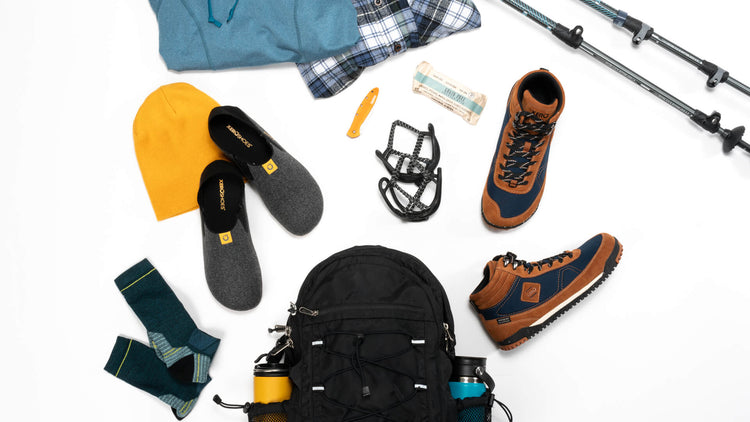
There’s travel. And then there’s adventure travel. Adventure travel means different things to different people. It can mean a long backpacking trip through the Peruvian Andes. It can mean spending a month riding the longest rail line in the world. It can mean scrambling up a mountain side. Whether you’re bagging peaks, tackling every zip line a country has to offer, or hut-to-hut hiking in the Swiss Alps, one thing is certain... Packing space is at a premium, and if you’re carrying your belongings on your back, so is weight. Packing Light – Tips from a Career Digital Nomad Nora Dunn (aka The Professional Hobo), has traveled full-time for 12 years, two of which she traveled just with carry-on luggage. Which is to say, Nora knows a thing or two about packing light... and about how to pack for maximum comfort in a minimal amount of space. When it comes to what goes with you on an adventure travel trip, Nora’s favorite word is packable. Think about the bulky items you would typically take on a trip. Is there a packable alternative? Some things are essential no matter where you’re going and what you plan to do when you get there. If you can find a space-saving, lightweight version of those essentials that are tough, durable, and versatile, you’ve got a winner for your next adventure outing. Nora’s Five Essentials for More Rewarding Adventure Travel Experiences When asked about the things she couldn’t do without on an adventure trip, Nora had five must-haves that she recommends for any traveler, but especially for adventure travelers. 1. A Pair of Packable Shoes Shoes are one of the bulkiest, heaviest items you pack for any typical trip. A traditional pair of shoes is going to be rigid and take up a lot of space in your luggage. They’re also going to add a lot of weight. A packable pair of shoes is a game-changer. What makes a pair of shoes packable? They have thin, flexible soles and a soft upper. They fold in half easily or roll up to take up almost no space. And they weigh next to nothing. When Nora discovered barefoot-inspired footwear, it forever altered how she approaches choosing shoes for a trip. Her go-to for adventure travel is a pair of barefoot trail runners like the Mesa Trail II. She says, “I love trail runners... they completely revolutionized how I hike but then also how I travel. “For fifteen years I’ve been using trail runners and I love them for their versatility. They can do everything. They can take you on those outdoor adventures. But they can also be light and rolled up so they pack easily. You can wear them around town. They can double as a casual shoe.” Nora also mentions Xero Shoes Prio as one of her favorite shoes: “The Prio is an amazing shoe. You probably shouldn’t take it up a mountain, but I literally have worn them going up a mountain.” The Prio is versatile in terms of looks. It’s right at home in the great outdoors paired with shorts and a lightweight jacket. But it can transition to walking around museums, visiting local markets, or touring remote villages. The other part of choosing a packable shoe is all about the comfort. On an adventure trip, it’s a safe bet you’re going to be doing a lot of walking. And sore feet at the end of the day can steal your enjoyment. Even worse, if that soreness carries over into the next morning — few things are more disheartening than starting out your day with achy feet. When Nora first switched to barefoot shoes, she worried about the impact on her legs and feet. As a dancer, she has a long history of shin splints, and she wondered if less cushioning in her shoes would lead to more problems. She says, “I thought I might suffer from a lot of foot fatigue walking around in a barefoot shoe all day, especially around town, but quite the opposite has been true for me.” If you’ve ever been on a vacation or adventure where sore feet were a problem, you know that all-day comfort can completely change your experience... for the better. And barefoot shoes could do that for you. One caveat: if you’re new to the barefoot experience, take some time to transition to wearing barefoot shoes before your trip. 2. A Packable Backpack Next on Nora’s list of essentials is a packable backpack. A packable backpack is a lightweight, but sturdy backpack that squashes down into something smaller than a loaf of bread... some versions can pack down to be smaller than your fist! These are perfect for day trips and side excursions. Instead of carrying your full backpack or hauling around your luggage, you can toss a water bottle, sunglasses, sunscreen, a jacket, and a few snacks into your packable backpack and have everything you need at hand with very little fuss. Or you can pack it down, tuck it into your coat pocket and whip it out at the grocery store to avoid using disposable bags. 3. A Packable Water Bottle Like traditional shoes, a typical water bottle has a rigid shape that takes up a lot of space in your pack. And while they may get lighter as you drink your water during the day, they don’t get any smaller. By the end of the day, they’re just taking up room. A packable water bottle is a different story. They’re usually made from food-grade, BPA-free silicone or thermoplastic polyurethane. These materials are tough, completely waterproof (obviously), lightweight, and flexible. The key feature? You can roll them up when they’re empty. As you drink water throughout the day, your water bottle takes up less and less space in your pack. And the water bottle itself weights next to nothing. Many versions are also built to stand up easily when full, so they function like a normal water bottle... just better. 4. A Packable Down Jacket Staying warm is part of staying comfortable. A down jacket made of lightweight materials can pack down to the size of a grapefruit (or smaller). But on cool days and chilly nights, you can just give it a shake to fluff it out, and then pull it on for a reliable layer of warmth. 5. A Packable Raincoat Like the down jacket a packable raincoat packs down small and weighs very little. But if it’s windy or rainy out, it can help keep you warm and dry. Better yet, for those really cold days, you can layer your rain jacket over your down jacket to stay extra toasty and dry. All told, these five items together won’t take up much more space in your pack or suitcase than a pair of rolled up jeans. And they’ll provide loads of comfort without adding bulk or weight to your luggage. Bonus Tips for Your Next Adventure Trip Beyond these five essentials, Nora provided three bonus tips to help you plan and pack for a big trip. Tip #1 – Pack for Multipurpose For each item you pack, try to think of at least two ways you’ll use it on your trip. If you need it for only one thing, make sure that thing is really important to you. Otherwise, consider finding a different option that will give you more versatility. For example, Nora’s Prios work for her on trails but also look at home in restaurants and museums. And her two jackets together work to create a system for staying warm and dry in a variety of circumstances. Tip #2 – “Just in Case Has No Place” Anything on your pack list that you’re taking just in case you need it is something you can leave behind. On most trips if a situation comes up where you need something you don’t have, you’ll be able to buy it. And if not, there’s a good chance you’ll discover you can do without it anyway. Adventure travel is far more enjoyable when you don’t have a lot of stuff to keep track of or haul around, so take a minimalist approach to your packing list (just like you do with your shoes!) Tip #3 – Pack Lighter On adventure trips, and even on more traditional trips, traveling lighter frees you to have more fun, to feel better, and to enjoy the experience more. Review your packing list with a very critical eye and look for ways to reduce your weight that won’t compromise your comfort. Because, ultimately, traveling lighter will mean a more comfortable trip... and a more comfortable trip is a more enjoyable one. About Nora Dunn: Nora Dunn* (aka The Professional Hobo), is one of the OG digital nomads, and has been a career traveler since 2006. She traveled full-time for 12 years, 2 of which she traveled with carry-on luggage only. For the last five years she has had a home base in Canada and she continues to travel most of each year, for up to seven months at a stretch (almost always with carry on only) *Nora Dunn is an affiliate of Xero Shoes.

Foot Recovery Tips from a Functional Podiatrist
Dr Emily Splichal - Xero Shoes Partner Our feet carry us through life, supporting our weight and keeping us on the move. They carry us through our day to day, but we often don’t appreciate them until they start to ache or become injured. Research suggests that up to 87% of people will experience foot pain at some point in their lives. This number is so high not only due to the amount of repetitive stress our feet encounter on a daily basis. From overly supportive shoes to a gradual weakening of the foot with age, we need to be proactive in our foot health to prevent this high risk of foot injury. As a functional podiatrist, I strongly believe in the power of daily foot recovery, foot strengthening exercises and smart footwear choices to offset daily repetitive foot stress and to make a lasting impact on foot health and movement longevity. In this blog, we will explore an example of a daily routine to help you take steps towards improved foot health. Morning As you wake up each morning, this is the perfect time to also wake up your feet and align your foot posture, allowing you to better react and respond to each step throughout the day. First, start each day by releasing your feet for just a couple minutes with the Naboso Neuro Ball. This innovative product is unlike any foot release tool in that it is not only a ball but it also splits open to make two domes. In addition, both domes are covered with a patented texture which uniquely stimulates the nerves in the bottom of the feet. To begin, follow this simple 5 point foot release where you stand on specific points on the bottom of your foot for 30 seconds - allowing for pin point acupressure stimulation along the muscles of the feet. After releasing the feet, I like to go directly into an exercise called forward lean. This is a foot posture activation exercise that takes less than 30 seconds to do. Start by standing with the feet shoulder width apart and find the foot tripod under the 1st metatarsal head, 5th metatarsal head and heel. Lift the toes, spread that out as wide as you can, then place them back down onto the floor. Slightly lift the arch of the foot by rotating externally in the hips. Now that your base is stable, stand tall with your arms by your side. Imagine you are stiff as a board. Staying stiff as a board, slightly lean the body forward until you feel the toes push down into the ground. Return to the starting position and relax the feet. Repeat 5 times to sufficiently wake up the foot muscles for your day. During the Day In an ideal world, work would do itself and we would be able to just live our lives as our feet take care of themselves. While this isn’t fully possible, there are tools that make it almost that easy! Stay connected to your feet with no effort at all by wearing minimal footwear and sensory-stimulating insoles or socks. Evidence suggests that our foot muscles respond to sensory stimulation, so by reducing cushion in our shoes it could help strengthen our feet and support our body alignment. A combination of Xero Shoes plus the Naboso Activation insoles creates an environment of maximum sensory stimulation and therefore could help support overall foot health. Evening At the end of a long day, we all just want to kick our feet up and relax. However, just taking pressure off of our feet may not be enough to fully recover the 26 muscles in the bottom of our feet. A great way to passively restore your foot shape and stretch your toes is toe spacers. Toe spacers such as Splay by Naboso, gently realign the toes to their natural position, improving foot function and minimizing arch pain. Whether you want to wear toe spacers while relaxing on the couch or walking around your home, toe spacers are fast becoming one of the fastest-growing foot recovery trends as featured in a recent Wall Street Journal article. To learn more, you can watch a recent lecture I gave about the science of toe spacers. Conclusion There are many options available to help boost your foot recovery and offset foot pain. Remember, the more consistent you can be in your daily foot habits the better the results you will see! By starting with these tools and exercises, you’ll be fast on your way to the results you want. About the Author/Bio: Dr Emily Splichal, Functional Podiatrist and Human Movement Specialist, is the Founder of EBFA Global, Author of Barefoot Strong and CEO/Founder of Naboso Technology. With over 23 years in the fitness industry, Dr Splichal has dedicated her medical career towards studying postural alignment and human movement as it relates to barefoot science, foot to core integration and sensory integration.

A Podiatrist Explains How Shoes Impact Your Foot Health
Massachusetts-based podiatrist Dr. Alissa Kuizinas (and Xero Shoes Partner) has more than a medical perspective on footwear. She struggled with foot discomfort for years. With each step she took, her big toe would jam against the inside of her shoes – “even with my ‘good shoes’ on,” she recalls. The $133 billion shoe industry has footwear specialized for every situation. Workout shoes. Hiking boots. Running shoes. Even walking shoes. And the solution to foot problems? The typical suggestion is more cushion, more support, and a more rigid structure to immobilize your foot. But is that the right approach to shoes? Your Foot Issues Might Be a Shoe Problem “Traditional medicine would recommend that I wear custom orthotics, limit my activity and wear stiff-soled shoes until the pain becomes bad enough to require surgery,” Dr. Kuizinas says. “I knew there had to be a better solution.” The deeper this foot doctor delved, the more she found that her feet weren’t the problem. It was her shoes! “Even though shoe companies spend millions of dollars on technology and design development, the shoes they produce and sell are doing a major disservice to human feet,” she explains. “From cushioning to heel-toe drops, stiff soles to narrow toe boxes, nearly every aspect of a modern shoe has a negative impact on foot movement. It leads to an epidemic of dysfunctional, weak, and malfunctioning feet. And most of us aren’t even aware this is happening!” Get Out of the Way of Your Feet “The primary purpose of shoes is to protect our feet from the elements and from different surfaces,” Dr. Kuizinas says. “They’re for when we are out in the world walking on a slippery or wet surface. Ultimately, shoes are really there JUST for that purpose. They don’t need to be bulky and restrictive, or supporting our feet. Our feet are designed to support themselves!” Think of any muscle in your body. If you use it, work it, and challenge it, what happens? It gets stronger. And if you don’t use it, or even worse, immobilize it, it gets weaker. The same is true of the muscles in your feet. Your Feet Are Made to Be Strong Your feet are made to support the entire weight of your body. They’re meant to be strong. For them to maintain that strength, they need to work. And that means your shoes shouldn’t be doing their work for them. So… why not just walk barefoot all the time? Research supports the idea of slight “protection” being beneficial. A study comparing outdoor barefoot walking with minimalist footwear found that the shoes improved walking form in both younger and older adults, and reduced risk of falling. Dr. Kuizinas recommends a ‘as little shoe as possible’ approach to footwear, putting the focus on building resilient, capable feet. “Rather than building up the shoe to try to externally support the foot and limit motion, minimalist shoes get out of the way of our feet,” she says. “They allow feet to function naturally, to move and bend. The transition to minimalist shoes involves stripping down the unnecessary and harmful components of modern shoes so that feet can be feet again!” When working with clients today, Dr. Kuizinas shies away from the term “minimalist shoes.” Instead, she likes to talk about “functional shoes” or “natural shoes.” “Natural footwear is really on the leading edge of shoe technology,” she says. “By stripping away the unnecessary and downright harmful features of shoes, we allow feet to function effortlessly as they were designed to!” And when we do that, we give our feet the chance to grow strong and capable... the core of good foot health. How to Find a “Functional” Shoe that Supports Good Foot Health Dr. Kuizinas has a three-point checklist of what she looks for in a functional shoe, which not-so-coincidentally match up with the three major functions of the human foot during walking. “The foot has three jobs: to be a ‘mobile adaptor’ or shock absorber when it first hits the ground, to be a rigid lever during push-off, and to be a sensor of the environment,” she explains. “As long as it can do these three things, it will function well.” Here’s how she says those functions should be reflected in the shoes you wear: Wide Toe Box: “Functional sneakers should have a wide, foot-shaped toe box. They’re broad enough to allow our big toe to sit in a proper alignment.” Flat & Flexible Soles: “Our feet contain 26 bones and 33 joints. And joints are designed to move! A flexible sole allows for natural foot movement. By contrast, stiff and rigid shoes with elevated heels prevent the joints from fully moving through their range of motion and limit the foot.” Minimal cushion and support: “A functional shoe should be only as cushioned as you really need. Overly cushioned shoes dampen your perception of what’s going on with your feet, and your ability to walk well.” If you follow these simple standards, you’ll find shoes that support your foot health by not doing so much to support your feet! Be Patient and Build Up to Barefoot Both from her personal experience and in her professional practice, Dr. Kuizinas recommends being patient when it comes to transitioning to full-time “functional” footwear. In the early days, she recommended a one-two approach of wearing functional shoes primarily for low-impact activities like walking and running errands, while also going barefoot around the house to help build resilience in the feet and ankles. “As your foot function improves, you’ll be able to tolerate less arch supportive shoes for greater amounts of time,” she explains. In not too much time, you’ll find yourself able to enjoy walking, running, hiking, and anything else you love to do more... because you’ll feel steadier and more stable on your feet. Not sure where to start? Explore our shoe finder here, best barefoot shoe for you, for a tailored list of recommended styles, or shop the full lineup below. Men's Barefoot Shoes | Women's Barefoot Shoes | Best Wide Toe Box Shoes The content of this post is for educational and informational purposes only and does not constitute and is not intended to be a substitute for professional medical advice, diagnosis or treatment. Always seek the advice of a physician or other qualified health provider with any questions or concerns you may have about your health or a medical condition. About The Expert: Dr. Alissa Kuizinas Dr. Alissa Kuizinas, DPM, is a board certified podiatrist who's passionate about foot health. She loves seeing patients transform their feet without surgery or invasive procedures. She is based in Boston, where she sees patients virtually and in-person at her practice, Wellness in Motion.

Best Barefoot Shoes for Digital Nomads
Wearing super-light shoes can make you powerful as your connection to Earth grows with each step. Barefoot-inspired shoes fit this bill for nearly any use, whether on the trail, on the treadmill, on sandy shores or in your bedroom. Versatility and comfort are critical nowadays, so you need the best barefoot shoes for digital nomads.Here are eight excellent options from Xero Shoes. HFS II Speed Force II Ridgeway Z-Trail EV Kona Mika Prio Pagosa 1. HFS IIImagine going for a run and attending a birthday dinner afterward. You don’t have much time to change or room for extra clothes, so you need a versatile shoe for both occasions. Fortunately, the HFS II has your back with comfort and style.Xero Shoes upgraded the original HFS to produce an even more stylish sneaker for your lifestyle. The HFS II weighs only 8.3 ounces and is easy to run in due to its outsole inspired by tire treads. Plus, the top-tier comfort makes it one of the premier barefoot shoes for digital nomads.How can the HFS II feel super light but remain comfortable on your feet? The shoe equips a BareFoamTM layer to protect your feet and make your journeys easier. 2. Speed Force IIWhen high performance is necessary, you need the Speed Force II. This super-light shoe mimics the barefoot experience for your workout, morning commute and any other task you need to get done. At just 6.5 ounces per shoe, the Speed Force II is what you need for style, breathability and durability.Xero Shoes co-founder Steven Sashen designed the shoe with a Nike developer. He says it’s his preferred sneaker for training and racing. The Speed Force II joins other Xero Shoes with its wider toe box and non-elevated heel to aid your posture.3. RidgewayHitting the trail means you need maximum durability from the shoe and protection for your feet. Mud, rocks, dirt and more tax your boots and make them wear quickly, leaving you vulnerable to the terrain. You need hiking boots you can wear on your mountain adventures and at the restaurant for a friendly rendezvous.Xero Shoes presents retro-inspired Ridgeway, one of many barefoot hiking boots for men and women. . These shoes are waterproof and ready for the trail with their rugged construction and creative design. The 13-ounce boots are lighter than most running shoes you’ll find on the market, yet their comfort and functionality make them ideal for your trail-running needs.4. Z-Trail EVSometimes, the temperature gets too warm for tennis shoes. Your socks are necessary for comfort and protection, but the scorching ground makes you wish you had something lighter. Sandals are often too flimsy for athletic use, so how can you find a happy medium? The Z-Trail EV combines the versatility and durability of sandals for everyday use.While you might not associate sandals with hiking, the Z-Trail EV is ideal for the trail. The FeelLiteTM sole and the TrailFoamTM team up to provide traction, comfort and flexibility with your shoes. Each sandal weighs about 5.4 ounces, giving you the super-light feeling beneath your feet. Plus, the Z-Trail EV eliminates 70% of the unnecessary materials you typically see in sports sandals. These shoes utilize nylon sourced from recycled water bottles in their webbing, making them soft and quick-drying. You’ll enhance your comfort on the trail and support the planet with eco-conscious sports sandals.5. KonaFinding versatile shoes for casual wear is essential, as you need mobility when traveling from one place to the next. The Kona satisfies your flexibility needs as one of the best barefoot shoes for digital nomads. Pick up a pair for the beach, work or whatever your day calls for. This shoe reminds you of Hawaii’s Kona Beach and stays cool with its moccasin-inspired construction.The Kona is a solid shoe option for men because it blends into your desired style. Business casual meetings, friendly hangouts and dancing are only some of the occasions this shoe is appropriate for. The Kona provides flexibility thanks to the removable insole. The FeelTrueTM outsole protects your feet while feeling barely there as you stroll.6. MikaFreezing temperatures typically mean getting your snow boots from the closet. While practical, your shoes could lack in the style department or make you feel sluggish. Mika turns the tide by providing comfort, warmth and style in one boot.Heavy-duty boots could weigh multiple pounds and make walking in the snow feel arduous. However, the Mika only checks in at 12.3 ounces per boot, making each winter stroll much more manageable. These boots feel like they’re barely there, but the heat-reflecting warming insole and interior lining warm your feet. Plus, you get a water-repellant canvas for mitigating the cold precipitation on your path.The Mika from Xero Shoes is an excellent shoe choice for women because of its practicality and style. Its pink and black styles suit numerous winter occasions wherever you go.7. PrioWhile finding comfort in your shoes is one battle, getting the same for your kids can be even more challenging. Children’s feet are still growing, so they need flexibility and ergonomic design to ensure they can walk around school, the playground and your home without trouble. Some parents opt for barefoot shoes because research suggests children reap benefits from them.The kids’ version of the Prio makes shoes easier for your children, featuring a wide toe box and a natural fit. This shoe for children has more space between the lugs and a thinner sole to increase flexibility while protecting their feet from the ground. Plus, the shoe uses inspiration from huarache sandals with straps to prevent slipping on their heels. Your kids can use these shoes for playtime, running, climbing and other fun activities.8. PagosaCold mornings require a warm cup of joe and a comfortable pair of slippers. How can you combine comfort and functionality with slip-on shoes? The Pagosa’s faux wool warms your feet while providing flexibility through its collapsible heel. Step on the heel to make it a slipper, or slide your feet in to mimic a regular shoe. The Pagosa from Xero Shoes makes walking easy, whether around the house, the campsite or wherever your nomadic adventures take you.Comfort is key for the Pagosa, as its cozy feeling is unforgettable. The softness is ideal for older adults who desire increased comfort from their shoes but don’t want to go barefoot. A 2020 BMC Geriatrics research article suggests minimalist shoes could provide a suitable transition between shoes and barefoot for older adults.Finding the Best Barefoot Shoes for Digital NomadsShoe functionality is critical for the modern digital nomad. You need footwear to support your adventures on the beach, in the living room or at the office. Xero Shoes emphasize versatility with innovative style and design, ensuring you can take them from one scene to another. These eight barefoot shoes for digital nomads demonstrate flexibility without compromising comfort.The content of this post does not constitute and is not intended to be a substitute for professional medical advice, diagnosis or treatment. Always seek the advice of a physician or other qualified health provider with any questions or concerns you may have about your health or a medical condition. Beth is the Managing Editor at Body+Mind and a lover of all things health and wellness. She is a well-respected writer in the personal wellness space and shares knowledge on a variety of topics related to nutrition, fitness, holistic health and disease prevention. In her spare time, Beth enjoys cooking healthy recipes and trying out new fitness trends.

Why Barefoot Training Is Trending
Barefoot training has gained more traction over the past few years. More fitness enthusiasts and pro athletes on social media — outside the mixed martial arts world — are discovering how significant gains are achievable without sneakers. Does barefoot training make sense for you? Does pumping iron while feeling the bare floor increase your strength? Should you go for a run without shoes on? Will you still go to the gym if everybody goes barefoot? Find out whether training barefoot is just a fad everyone will soon forget or if it’s genuinely beneficial. Is It Better to Train Barefoot or With Shoes? Barefoot and shoe training methods have pros and cons. What suits you depends on what you intend to do and your physical condition. Going barefoot gives you tremendous insight into your movements. Each foot of yours has more than 150,000 nerve endings at the bottom. They help you understand what you’re standing on and how you’re stepping on it. Your brain receives new sensory information. These sensations can inform your overall movement because you have a better idea of your body’s relationship with the space it occupies. The more you train with no or minimal footwear, the more you strengthen your feet and ankles. You gain better flexibility because they work together to keep you balanced and upright. This benefit can help expand your range of motion and enhance your stride. Activating the smaller muscles on the bottom of your feet can help you maintain proper posture and feel more stable. Training barefoot lets you recognize issues with specific body parts that are less noticeable when you wear shoes. For example, you may discover your ankles are less mobile than they should be. Such findings can help you determine where to focus your training next to address your weaker points. Regarding glute and core activation, barefoot training is biomechanically advantageous. It aids the mind-muscle connection, helping you work out more efficiently. On the other hand, shod training protects your feet from ground hazards. Shoe design innovations provide excellent support to feet and ankles — a must when undertaking most athletic pursuits. Footwear contributes to comfort, stability and motor control. Wearing the right pair of shoes can provide more traction on surfaces, helping improve your performance and boost your confidence. Somewhere in the middle is barefoot-inspired shoes. For instance, Xero Shoes’ barefoot footwear for women provides excellent ground feedback while offering great protection. How Do You Train Barefoot? Training or working out without shoes is promising on various levels but requires circumspection. Remember these three tips when transitioning from shod to barefoot training. 1. Ensure You're Injury-Free Regularly engaging the muscles in your feet makes them more immune to injury. Many fitness enthusiasts are going barefoot precisely to make them less prone to sprains and strains. However, your feet and ankles can only get stronger when they’re already uncompromised. Tossing your shoes when training or working out when nursing or recovering from a foot or ankle injury may do more harm than good. Take precautions if you have preexisting foot or ankle conditions. Some sprains, strains and breaks take more time to heal than others. For instance, a high ankle sprain usually requires physical therapy to prevent reinjury. This injury accounts for only 14% of ankle sprains and half of its cases take up to six months to recover. Monitor your injury’s progress to see whether you’ve completely healed. Self-assessment helps but isn’t always enough. Consult your health provider for expert advice before engaging in intense physical activity without foot and ankle support. Let your physician run some tests and closely examine you to determine whether you’re healthy enough to go barefoot. You may feel well, but your test results may reveal a cause for concern that can lead to a severe ailment when training without footwear. 2. Acclimate Your Feet and Ankles Take things slow if your doctor gives you the go-ahead signal to do barefoot training. Walking and running without shoes takes some getting used to. Give your feet and ankles ample time to adjust and gradually build strength. The runners who switch from shod to barefoot spend about two weeks walking around without footwear. After this initial period, they begin running in place and trying flat, smooth surfaces. Picking up your speed slowly and steadily and increasing your mileage by 10% max per week should be part of your routine. The transition may cause discomfort. Feeling sore is your body’s way of telling you you’re doing too much too fast, so dial back your barefoot training to help your feet and ankles adjust to moving without support. Wearing minimalist shoes can help ease your shod-to-barefoot transition. Unlike traditional running shoes, they have no high arch support and no thick soles, so they complement your body mechanics well. Many put on barefoot performance footwear from Xero Shoes when training in the gym, on the track, on a pickleball court or in any environment. They’re super comfy and enjoyable to wear. More importantly, they give your brain the feedback it needs to help you move effectively and efficiently on any terrain. 3. Explore Various Barefoot Exercises Aside from walking, running and yoga, the most common barefoot exercises are squats, deadlifts, box jumps, stability ball exercises and single-leg stands. They show you can incorporate barefoot training into most workouts, whatever your fitness goals are. There’s a caveat — some gyms and health studios prevent you from training barefoot to keep their areas hygienic. Going barefoot outdoors is only advisable in some cases. Rocky surfaces that absorb the sun’s heat — such as concrete and asphalt — can jeopardize your foot or ankle health. That’s why investing in barefoot-inspired shoes for working out and weightlifting is wise. They can protect your feet from jagged terrain, but you can pleasantly feel they’re barely there. You may forget you’re wearing them when you begin training. Pieces of minimalist footwear are stylish enough to earn a spot in your shoe collection, but one pair is usually enough. You can wear these shoes when strolling, running or playing sports to cover your feet while enjoying the many benefits of going barefoot. Embark on Your Fitness Journey Barefoot Working out without shoes may look and feel strange at first, but it has numerous merits. While barefoot training isn’t for everybody, it’s worth considering if you have the feet and ankles for it. The content of this post does not constitute and is not intended to be a substitute for professional medical advice, diagnosis or treatment. Always seek the advice of a physician or other qualified health provider with any questions or concerns you may have about your health or a medical condition. Beth is the Managing Editor at Body+Mind and a lover of all things health and wellness. She is a well-respected writer in the personal wellness space and shares knowledge on a variety of topics related to nutrition, fitness, holistic health and disease prevention. In her spare time, Beth enjoys cooking healthy recipes and trying out new fitness trends.

Get Ready With Me for a Rainy Hike
Xero Shoes partner, @kalihikes tests out the Xero Shoes Ridgeway for a rainy day hike with her pup. Waterproof boots. Warm, dry feet. No worries about blisters. And a storm rolling in. Does it get any better?Try the RidgewayCombine the allure of retro style with cutting-edge barefoot-friendly technology, and you get the Ridgeway – a hiking boot with a rugged canvas upper with suede accents. It’s ready to conquer technical trails with friends and comfortable enough to enjoy a beer afterward.More Waterproof Hiking ShoesExplore our entire collection of barefoot waterproof shoes and boots.More Blogs on Barefoot Hiking Shoes Best Xero Shoes Hiking Boots, According to Top Media Xero Shoes Lightweight Hiking Boots are Under 14oz Family of 7 Hikes the CDT in Xero Shoes

How to Be Lighter on Your Feet While Running
Why You Want to “Run Lighter” Running lighter can have three significant effects on your running: Make running fun Become more efficient Help reduce injury risk How do you run lighter? It just takes a few minor form tweaks that you’ll discover below. Use Sound to Know How “Light” You’re Running The sound your feet make when they hit the ground tells you a lot about your running form. If you hear thuds or slapping noises, you’re “running heavy.” These sounds can indicate that you can improve your running form. Once you address your form, those sounds will not only go away, but you will improve your running efficiency. So, as you explore the tips, below, use the sound of your feet as feedback – your built-in coach. Tips for Running Lighter on Your Feet What changes to your form can help you run lighter? Here are the top tips runners use to improve their form and run lighter on their feet: Make sure your feet land under your body (avoid overstriding) You want to land forefoot or midfoot Let your heels touch the ground Place and lift your foot off the ground as you run Use cues to help avoid plopping your feet Keep your core engaged Pick up your cadence Run barefoot, or in minimalist shoes Let’s dive into each tip. 1) Make sure your feet land “under your body” Landing with your foot too far in front of your body means you’re overstriding. It’s like putting on the brakes each time your foot touches the ground. Why do runners need to overcome this habit? Research shows that overstriding increases forces that go into your joints (rather than letting your muscles, tendons, and ligaments mitigate force). And many researchers believe it's the leading contributing factor for getting injured. When you run, aim to have your feet land under your body, and not out in front. To get a feel for this, we suggest exaggerating this by putting your feet “behind you” when you land. Of course, you won’t actually be able to do this, but if you try, it will highlight what overstriding feels like. 2) Land forefoot or midfoot The type of footstrike is important for running lighter. Ideally, you want a forefoot or midfoot strike instead of a heel strike. When combined with landing under your body, landing mid- or fore-strike means you're using your legs as springs, starting feet first. If you land on your heel, you've lost the first spring in your leg. Do NOT reach out with your foot to land on your forefoot or midfoot - in fact, it’s the exact opposite of what you should be doing. Instead, land with your foot underneath your body (tip #1). When you do this, it's almost impossible not to land on your forefoot or midfoot. 3) Let your heels touch the ground If you're not used to landing on the ball of your foot, it CAN make your calves and Achilles work harder. Some people never let their heels touch the ground (even in shoes!), but there's no inherent benefit for doing that. In fact, if you don't let your heel come down as far as it feels right, you're not fully using your Achilles -- the best spring in your body -- to give you "free energy" when it un-stretches. Once you land on the ball/midfoot, you can let your heel drop if it feels better to do that. It will feel better or worse depending on whether you’re: Going uphill or downhill On a flat surface or an uneven one Moving faster or slower 4) Place and lift your foot off the ground as you run Many runners practically slam their foot onto the ground, especially if they’re overstriding. Instead, think about “placing” your foot on the ground, like how you would place a dish on a table… gently. If you land with your foot under your body (tip #1), and you land midfoot or forefoot (tip #2) this is much easier to do. In fact, it’s almost automatic. To get your foot off the ground, most runners PUSH their toes into the ground. Not surprisingly, this is called “toe-ing off”. And when you toe off, you’re using your calf more than necessary, wasting energy. Instead, think about lifting your foot off the ground by lifting your knee, or pulling your foot off the ground (both of which, technically, happen by flexing your hip). An image I like to use is stepping on a bee – you wouldn’t PUSH your foot to get off the bee, since that would drive the stinger further into your foot. You would reflexively use your hip flexor to LIFT your foot off the ground. Both “placing” and “lifting” can keep you light on your feet. 5) Use a cue to help you “un-plop” your feet This is actually similar to “placing” your foot but with a twist. Many people “plop” their feet on the ground and leave them there for too long. Ideally, to run lighter, you want your feet on the ground for as little time as possible. The actual amount of time your feet are on the ground will change based on your running speed, but this tip will help you find the ideal time, no matter your speed. Coaches use a few different cues to teach runners how to avoid plopping. It helps to pretend that… You’re running on hot coals or eggshells Your feet are wheels, and you want them to touch where the wheel meets the ground The ground is moving below you like a treadmill, and you want to move your feet at the same speed as the treadmill Think about lifting your feet off the ground before they even contact it Whichever analogy you choose, you must find your own way of meeting the ground lighter with your foot and keeping it on the ground for as little time as possible. Remember to listen to the sound you are making as your foot hits the ground and use that sound as a coach. 6) Keep your core engaged Core engagement is important for light running. But it’s not just having strong abs. When you run, think of your body as a spring. If you collapse in your midsection, you’re weakening the spring and making it less efficient and, therefore, making it harder to run. Keeping your core engaged while running is about maintaining a gentle but consistent engagement of your abdominal muscles. Imagine lightly drawing your belly button towards your spine in a gentle, controlled manner that doesn't hinder your breathing. This should feel natural and sustainable throughout your run. 7) Pick up your cadence Your running cadence refers to the total number of steps you take per minute. Most people think there is a target cadence of 180 strides per minute. Contrary to popular belief, there’s no optimal running cadence. Some successful runners do more, some do less. That said, most runners run with a cadence that’s too slow. Moving your feet faster gives you less time to keep your feet on the ground. That’ll help you learn to place/lift, “un-plop” and avoid overstriding while you run. So, on your next run, pick up the cadence just a bit without running faster. It’ll feel odd at first because you’re doing something different. But once you get used to that new cadence, try picking it up a BIT more. You’ll find a sweet spot that keeps you lighter on your feet without feeling awkward. And, yes, if you’re inspired to run with a metronome, it could help ;-) 8) Run barefoot, or in minimalist shoes Taking off your shoes and running barefoot can improve your technique. Of course, this isn’t always possible, so wearing a minimalist shoe can help. You don’t need to switch to a barefoot shoe, or barefoot running full time, but doing some barefoot running can highlight some form flaws that you would never notice in a “normal” shoe. In short, running barefoot with good form feels good, and bad form feels bad. If you just explore the tips above while running barefoot, you may find that last little “hitch in your giddyup”. If you want to run barefoot, use these tips: Run on a smooth, hard surface. This will give you the most feedback. A sidewalk or bike path is good. Grass is not great because it’s sort of like taking the padding from a shoe and covering the world with it. Plus, the ground is rarely even, and you can’t see things you might not want to step on… or in. Start SMALL. Let your first barefoot run be 20-30 seconds. Yes, SECONDS. Then, the next day, see how you feel. If you’re sore like you just went to the gym, that’s good. Rest and repeat until you enjoy those 20-30 seconds… then add 10 seconds every time you feel ready If barefoot isn’t for you here’s how barefoot shoes can help improve running form: Barefoot shoes have a wider toe box that allows toes to splay, and move naturally, which can improve posture and balance. Plus, it feels great to not have your toes all squished. Truly barefoot-style shoes have a non-elevated heel (a “zero-drop”) which naturally encourages runners to land more on their midfoot or forefoot rather than the heel. Normal shoes with a “drop” will shift your center of gravity forward, and adjusting to that can put strain on your back, knees, ankles, and hips. Minimalist and barefoot shoes are lightweight shoes that do not have unnecessary padding. They let you use your muscles, ligaments, and tendons as natural shock absorbers and springs (better than any man-made foam!) They mimic the feeling of running completely barefoot while giving you a layer of protection. Barefoot shoes don’t “support” your arch which, like supporting any joint, makes the surrounding tissues weaker. Research shows that merely walking in a barefoot shoe builds foot strength as much as doing a foot exercise program. So barefoot shoes let you build strength in your feet and legs naturally the more you wear them. When your feet and legs are stronger, you can run longer distances without feeling fatigued. Even if you run in “normal” shoes, barefoot shoes are great for active recovery and that strength-building I just mentioned. So slip them on once you’re done with your “normies.” The content of this post does not constitute and is not intended to be a substitute for professional medical advice, diagnosis or treatment. Always seek the advice of a physician or other qualified health provider with any questions or concerns you may have about your health or a medical condition.

Smart Hairdressers, Stylists, and Barbers Have Switched to Minimal-Style Shoes
If your feet don’t feel as good at the end of your shift at the salon or barber shop – plus errands, social life, away from work – as they did at the start… then it’s time to reconsider your choice in footwear. And what if the best pair of shoes for all-day comfort is the opposite of what “Big Shoe” has been pitching? What if all the features they say should help you actually get in the way or even cause the problems they claim to cure? We realize this may sound counterintuitive (or even come off as crazy). However, thousands of people who work on their feet have made the switch to barefoot shoes. Read reviews of barbers who made the switch to Xero Shoes and never looked back: All the features I love about Xero Shoes plus more durability and slip-proof traits make it the perfect shoe for work. The professional style makes them great for more formal environments. In this post, you’ll discover how switching to barefoot shoes can help you enjoy healthy feet at the salon, at home, or anywhere. What Shoes Make Sense For Hairstylists? Before we discuss barefoot shoes and the differences that can help hair stylists, let’s look at what shoes make sense for people who work on their feet all day for a living. Working as a hairstylist, you need high-quality footwear that will… Allow you to move efficiently on unforgiving salon floors. Offer a comfortable fit for long days. Provide traction and stability. Shoes must have good grip or tread for slip resistance. Be extremely durable. Be easy to clean and maintain. Offer protection from various accidents or spills that can occur in salons or barber shops. Look professional in a salon or barber shop setting (of course, this varies on your salon’s dress code). Why “Normal” Shoes For Hairdressers Don’t Compare Before discussing the benefits of barefoot shoes for hairstylists, let’s look at the problems “normal” shoes can create: To summarize, “normal” shoes… Have a narrow, pointed toe box. This squeezes your toes together, leading to foot problems and balance issues. Have a raised heel, which negatively affects your posture, putting strain on your ankles, knees, hips, and back. Have excessive padding, which mutes the feedback the nerves in your feet send to your brain… making you less stable and confident as you move around the shop. Have stiff soles, limiting your feet’s natural movement. Once again, this can affect your balance and agility. Are heavier compared to barefoot shoes. The weight of normal shoes will slow you down over the course of a long workday. The things listed above can negatively impact your health and well-being over time. How Do Barefoot Shoes Compare? For hairdressers, stylists, and barbers, barefoot shoes (also called “minimalist shoes”) address the issues that normal shoes can bring about. Barefoot-style shoes… Have a wider, foot-shaped toe box, which allows your toes to spread naturally. Are flexible and allow for natural movement. Have a non-elevated heel (also called “zero-drop”), to help improve your posture. Are low to the ground for balance, mobility, and agility. Allow you to strengthen your feet and become their own support. Are lightweight — so lightweight, that many salon or barber shop employees forget they’re wearing them (and that’s not an exaggeration)! 3 Fantastic Benefits Hairstylists and Barbers Get Wearing Barefoot Shoes Here are three significant benefits that hairdressers and barbers will get when they make the switch to barefoot shoes: They Are (Extremely) Lightweight Busy salon or barber shop workers deal with walking around for long periods of time. Wearing heavier shoes will weigh you down throughout the day. “Normal” shoes tend to be heavier, while barefoot shoes are lightweight. For salon workers, retail workers, or anyone who works on their feet, barefoot shoes are the ideal choice. With minimalist-style shoes, you can be quick and light on your feet instead of dragging heavy shoes around during a long shift. How lightweight are they? We’ve heard many stories about people forgetting to take their shoes off when they come home from off after a long shift. They Have Zero Heel-to-Toe Drop Traditional shoes place your heel higher than the ball of your foot. This is known as a shoe’s “heel-to-toe drop.” The heel-to-toe drop for what some consider “normal” shoes typically range from 8-12 millimeters, however, even a small drop is a problem. Why is this bad? This “drop” shifts your center of gravity forward, and adjusting to that can put a strain on your body, including the back, knees, ankles, and hips. Barefoot shoes, however, have zero heel-to-toe drop, also referred to as “zero drop”. This means there is a uniform sole height without any difference between the heel and the toe. Zero-drop shoes mimic the natural barefoot position on a flat surface, allowing for more natural posture, which can take the strain off your ankles, knees, hips, and back. Salon and barber shop employees will benefit from better alignment and balance throughout long shifts on their feet. Your Feet Become Their Own Support While you may think added support is an important feature for your footwear, it may actually be taking away from your health. The issue with “normal” shoes with padding is that they restrict your feet from moving and your toes from spreading out. Why is this bad? Think of it like wearing a cast — when movement is restricted, your joint mobility is reduced, causing the muscles to weaken. You can apply this analogy to wearing “normal shoes”, which can greatly restrict your movement. By comparison, barefoot-style footwear purposefully does not provide external arch support. This feature helps you to develop foot strength to support the arch naturally. Research from Dr. Sarah Ridge concludes that merely walking in barefoot shoes builds foot strength as much as a foot-strengthening exercise program would provide someone. So, as a hairstylist, you can build foot strength just by walking around in minimalist shoes as you go about your day at work! Barefoot shoes have a flat sole with no built-in support and no extra midsole foam that breaks down unevenly, making them the best shoe if you think you do want or need an insole. Xero Shoes: Find The Perfect Shoes for You If your feet are sore from standing up all day, we invite you to try Xero Shoes. They are reliable and comfortable shoes for hairstylists, ideal for long days at the salon. Try our slip resistant Prio All-Day SR, or any of the other barefoot-inspired shoes and boots that are perfect for anyone working on their feet! [product_category category="prio-all-day-sr" columns="2"]






